Most commercial roofs only get looked at once something’s already gone wrong. A leak shows up, someone gets called in, the immediate issue gets patched, and then the roof goes back to being invisible again for another few years. Sound about right?
The problem with that approach is that a commercial roof in Sydney is dealing with a lot more than most building owners realise, and by the time an issue is obvious from inside the building, it’s already cost more to fix than it would have if it had been caught earlier.
The Short Answer
For most commercial buildings in Sydney, regular inspections are a sensible baseline. Inspections before periods of expected wet weather and after significant storms can help identify weaknesses in the membrane or drainage before they develop into bigger problems. Buildings with rooftop plant equipment, older membranes, or a history of leaks may need more frequent checks.
That’s the general rule. What actually determines the right frequency for a specific building comes down to a few things.
What Affects How Often a Commercial Roof Needs Checking
Roof age and material. A roof that’s 10 or 15 years old and coming toward the end of its expected membrane life needs more frequent eyes on it than a roof installed in the last few years. This becomes particularly important once a membrane starts showing UV degradation, given how much direct sun a flat commercial roof cops over a Sydney summer.
Rooftop equipment. Every AC unit, exhaust vent, solar panel mount, or antenna on a commercial roof is a penetration point, and every penetration point is a potential leak source. Buildings that have added equipment over the years without reviewing how it affects the roof’s waterproofing are, frankly, more exposed than most owners realise.
Building use. Industrial and warehouse roofs, especially in areas like Alexandria, Botany, or further west toward Smithfield and Wetherill Park, often deal with more foot traffic during maintenance work, which can damage membranes if it’s not managed properly. That kind of wear adds up.
Drainage design. Flat and low pitch roofs common on Sydney commercial buildings rely heavily on drainage doing its job. If a roof has a history of ponding water, it needs checking more regularly, not less, because persistent ponding can accelerate wear on the membrane every single day it sits there.
Why Twice a Year Isn’t Overkill
It’s tempting to think of roof inspections as an unnecessary cost when nothing’s visibly wrong. But waiting until there’s an obvious problem can mean a relatively small issue has already become more expensive to repair.
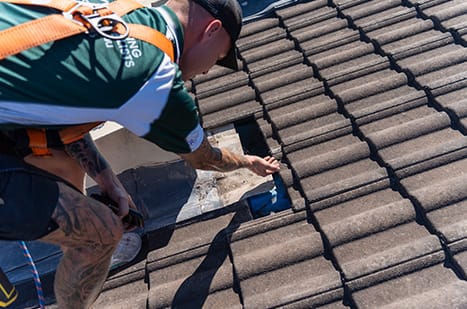
A proper commercial roof inspection isn’t just a visual scan either. It typically covers:
- Membrane condition, checking for cracking, blistering, or lifted seams that wouldn’t be obvious from ground level.
- Flashing and seals around every penetration point, since these are common areas for commercial roof leaks to start.
- Drainage function, confirming water is actually moving off the roof rather than pooling.
- Structural signs, like sagging decking or rust on steel elements, which point to a slower moving problem that’s been building for a while.
Catching a lifted seam or a failing seal during routine roof maintenance and repairs can cost considerably less than dealing with the same issue after it’s caused internal water damage, damaged stock, or affected a tenant’s fit out.
What This Looks Like in Practice
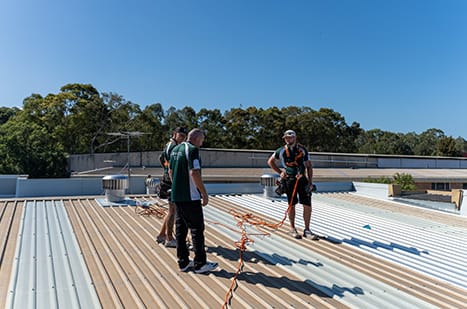
For a strata-managed commercial building or a property manager overseeing several sites, the most practical approach is scheduling inspections as part of regular preventative maintenance, rather than waiting for a tenant complaint to trigger one. Inspections after significant storms or periods of heavy rain can also help catch problems before they become active leaks.
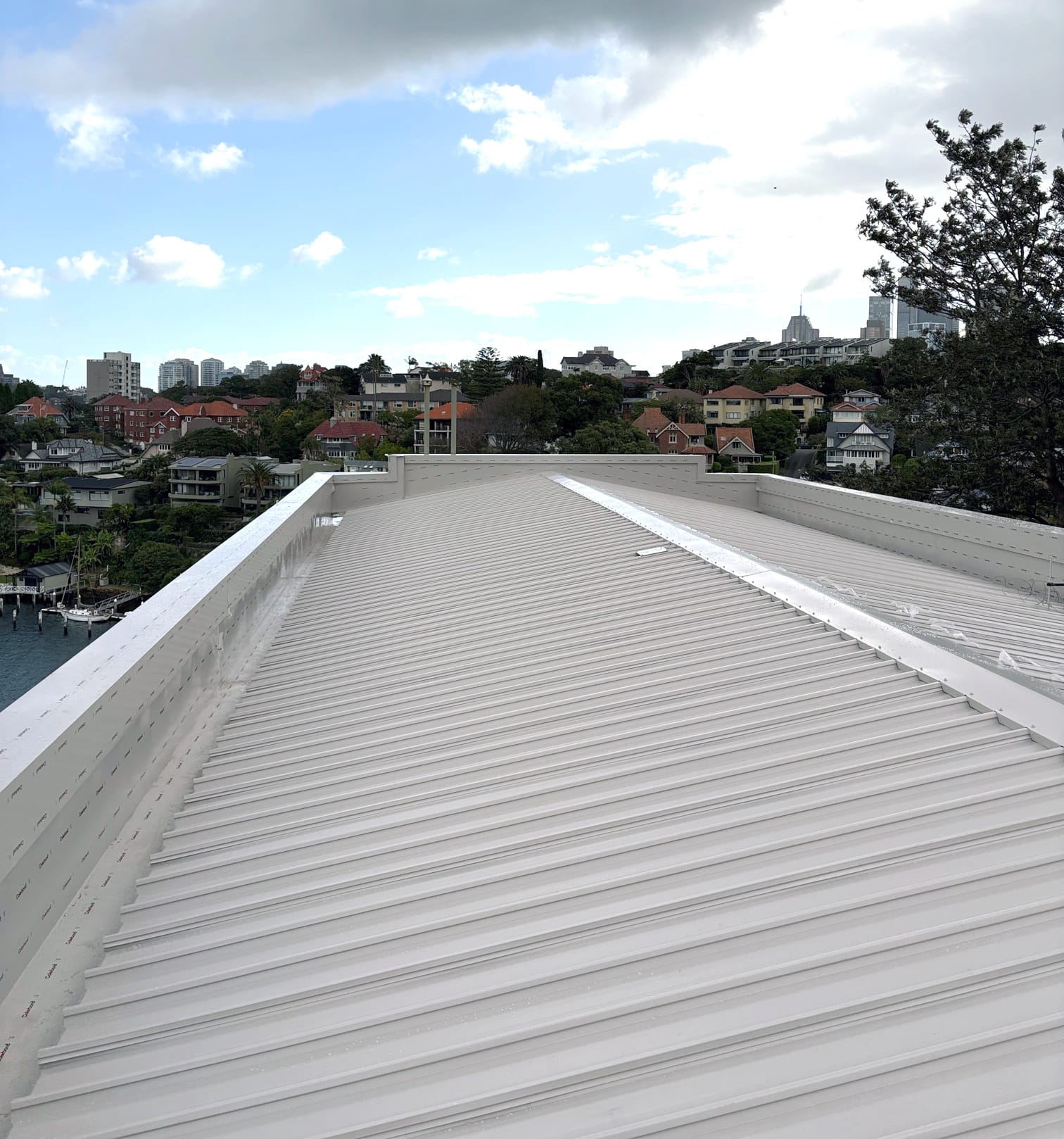
You can view some of Ivy Roofing’s previous roofing projects to see the types of roofing work carried out across Sydney.
FAQ
Is twice a year enough for all commercial roofs in Sydney? There isn’t a single inspection frequency that suits every commercial roof. Older roofs, roofs with rooftop plant equipment, or roofs with a history of leaks may benefit from more frequent checks.
Does a commercial roof inspection cover gutters as well? Yes, gutter condition and drainage function are a standard part of any thorough commercial roof inspection, since blocked or damaged drainage can be one of the most common causes of leaks.
How long does a commercial roof inspection take? This depends on the size and complexity of the roof, but most standard commercial inspections in Sydney are completed within a few hours.
What happens if an issue is found during an inspection? You’ll get a clear rundown of what was found, what’s causing it, and what the options are, whether that’s a straightforward repair or something that points to a broader restoration need.
Do strata-managed buildings need a different inspection approach? Not fundamentally different, but reporting matters more, since strata committees generally need documented findings to justify budget for repairs or maintenance.
Can regular inspections actually extend the life of a commercial roof? Yes. Catching and fixing small issues early prevents the kind of ongoing water exposure that shortens the overall lifespan of a roof membrane.
Ivy Roofing is a Sydney-based roofing specialist. We work with homeowners, property managers, and strata across Sydney to keep roofs in top condition. Get in touch with us to see how we can help you.
Please note that any costs mentioned within this article are fictional, and a proper quote specific to your situation is required.