You notice a small stain on the ceiling in the hallway. It’s not dripping, not yet, but it’s definitely there, and it wasn’t there last week. If you own a home in Sydney, winter can often be when an existing roof problem first becomes noticeable.
Sydney gets rain throughout the year, but periods of sustained winter rain can be brutal on a roof that’s already got a small weakness somewhere. Water has more opportunity to find the gap that a shorter period of rain may have missed completely.
Why Winter Is When Roof Leaks Actually Show Up
A roof doesn’t usually fail overnight. Small issues build up over months or years, things like a cracked ridge cap, a lifted tile, or flashing that’s pulled slightly away from a chimney or skylight. These small gaps may not cause an obvious problem straight away, particularly during lighter or shorter periods of rain.
Sustained rain means water sitting against a weak point for hours, sometimes days, at a time. That’s usually enough to push it through, even if it’s just a tiny gap.
The Most Common Causes of Winter Roof Leaks in Sydney
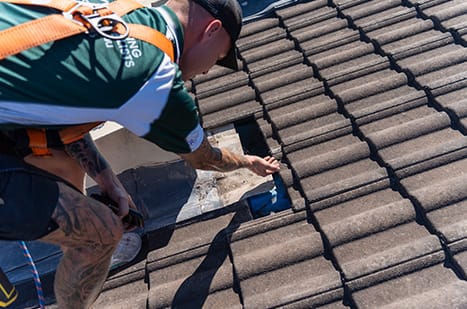
Cracked or slipped tiles. This is one of the most common issues on Sydney’s older tiled roofs, particularly homes built from the 1960s through the 1990s. Tiles shift slightly over time, and once one lifts or cracks, water gets underneath it and starts tracking toward the timber battens and roof structure beneath.
Deteriorated flashing. Flashing around chimneys, skylights, and where different roof sections meet is one of the most common failure points, and it’s not always obvious from ground level. Flashing seals can degrade with age, especially where they’ve been exposed to Sydney’s UV levels for years without roof maintenance and repairs.
Blocked or damaged gutters. When gutters aren’t clearing properly, water backs up and can get pushed under the roofline instead of running off the way it’s meant to. This is especially common on homes with overhanging trees, which describes a lot of established Sydney suburbs.
Ageing roof membranes on older homes. Homes with skillion or low pitch sections, common in some mid century Sydney builds, rely on membrane roofing that has a limited lifespan. Once that membrane starts to degrade, winter rain will expose it fast.
Poor previous repairs. This one comes up more than people expect. A quick patch job done without properly identifying the actual source of a leak might hold for a season or two, then fail again the following winter, usually in the same spot or somewhere close to it.
What to Actually Do About It
The first instinct a lot of homeowners have is to grab a torch and check the roof space during a storm. It’s understandable, but not that reliable, since water can travel a fair distance from where it enters to where it eventually drips through the ceiling.
A proper assessment usually involves:
- Checking the roof exterior for cracked, slipped, or missing tiles, and inspecting flashing around all penetrations.
- Inspecting the roof cavity, where visible, to trace water staining back toward its actual entry point.
- Assessing gutter and downpipe condition, since blocked drainage is such a common contributing factor.
- Checking the overall condition of the roof, not just the specific leak, since one active leak often points to broader wear that’s worth knowing about.
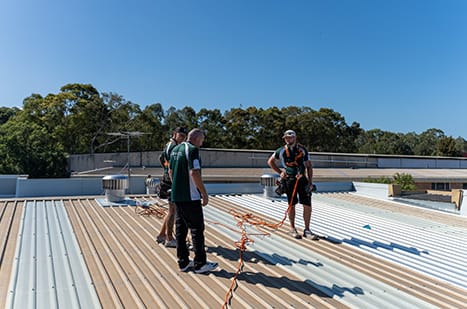
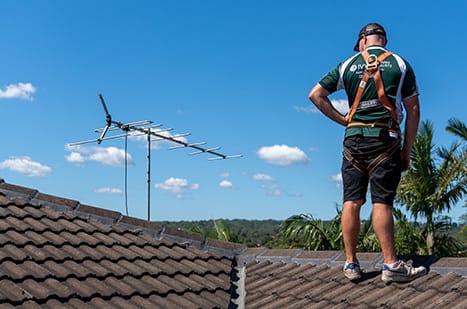
If you suspect a problem, Ivy Roofing provides residential roofing services across Sydney, including inspections, maintenance and repairs.
When a Repair Is Enough, and When It’s Not
Not every leak means the whole roof needs replacing. With a cracked tile or a single failed flashing point, a proper repair that addresses the actual source, not just the visible symptom, should hold up through future winters.
Where it gets more complicated is when a roof has multiple ageing issues at once, cracked tiles in several spots, flashing failed in more than one place, or a membrane that’s clearly past its useful life. At that point, patch repairs become a cycle rather than a solution, and it’s worth an honest conversation about whether a restoration makes more sense long term.
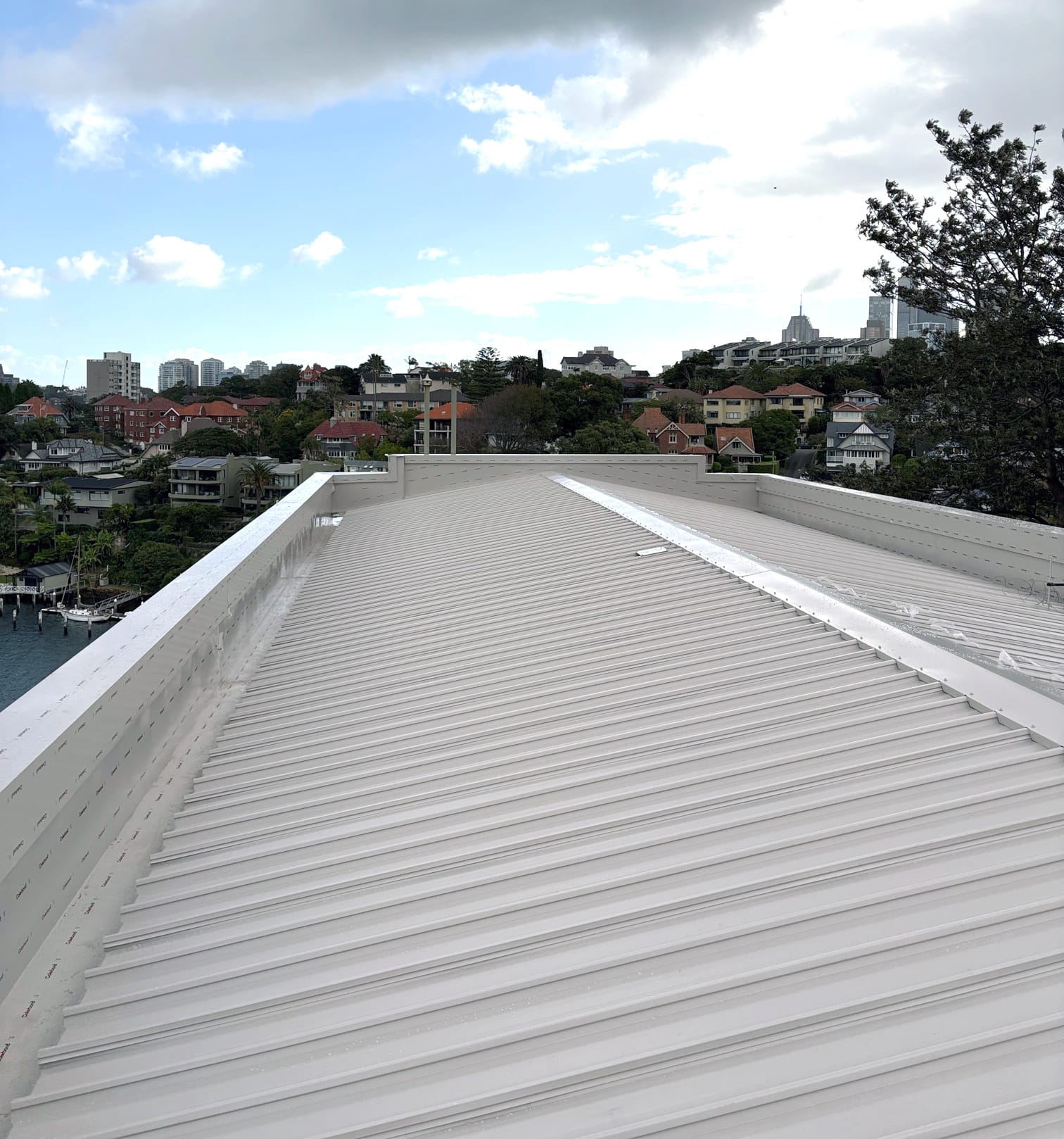
You can also take a look at some of our previous roofing projects to see the types of roofing work we carry out across Sydney.
FAQ
Why does my roof only leak when it rains for several days in a row? This usually points to a small gap or weakness that isn’t enough to let water through during a short, light shower, but gets overwhelmed once rain is sustained over hours or days.
Can I fix a roof leak myself? Minor issues like clearing a blocked gutter may be manageable, but tracing and properly sealing an actual leak source usually requires a proper roof inspection to avoid missing the real cause.
How much does it cost to fix a roof leak in Sydney? It depends entirely on the cause and how accessible the affected area is, which is why an inspection to identify the actual source is the sensible first step before getting a quote.
Will a roof leak get worse if I leave it? It can. Water exposure over time can damage roof timber, insulation, and eventually ceiling structure, so what starts as a small stain rarely stays small.
How do I know if I need a repair or a full roof restoration? If the issue is isolated to one area and the rest of the roof is in reasonable condition, a repair may be enough. If there are multiple problem areas or the roof is significantly aged, a restoration is worth considering.
Does home insurance cover roof leak repairs? This depends on your policy and the cause of the damage, so it’s worth checking your specific coverage. A proper report on the cause of the leak can help with any claim.
Ivy Roofing is a Sydney-based roofing specialist. We work with homeowners, property managers, and strata across Sydney to keep roofs in top condition. Get in touch with us to see how we can help you.
Please note that any costs mentioned within this article are fictional, and a proper quote specific to your situation is required.