You’ve had a couple of leaks patched over the years, the tiles look a bit tired, and now someone’s mentioned the roof might need “doing properly” at some point. The question that follows is almost always the same one. Does that mean restoration, or does it mean full replacement?
For a lot of older homes across Sydney, particularly in established suburbs with housing stock from the 1950s through the 1980s, this is a genuinely common crossroads. And the honest answer is that it depends on the specific roof, not on a blanket rule that applies to every older home the same way.
What Roof Restoration Actually Involves
Roof restoration is essentially a comprehensive refresh of the existing roof rather than a full teardown and rebuild. For a tiled roof, this typically means cleaning the roof surface, replacing any cracked or broken tiles, repointing or rebedding ridge capping, and applying a protective sealant coating to the tiles themselves. For a metal roof, restoration might involve rust treatment, replacing corroded sections, and repainting with a protective coating.
The goal is to extend the useful life of a roof that’s still structurally sound but showing wear, without the cost and disruption of a complete replacement.
What Full Replacement Involves
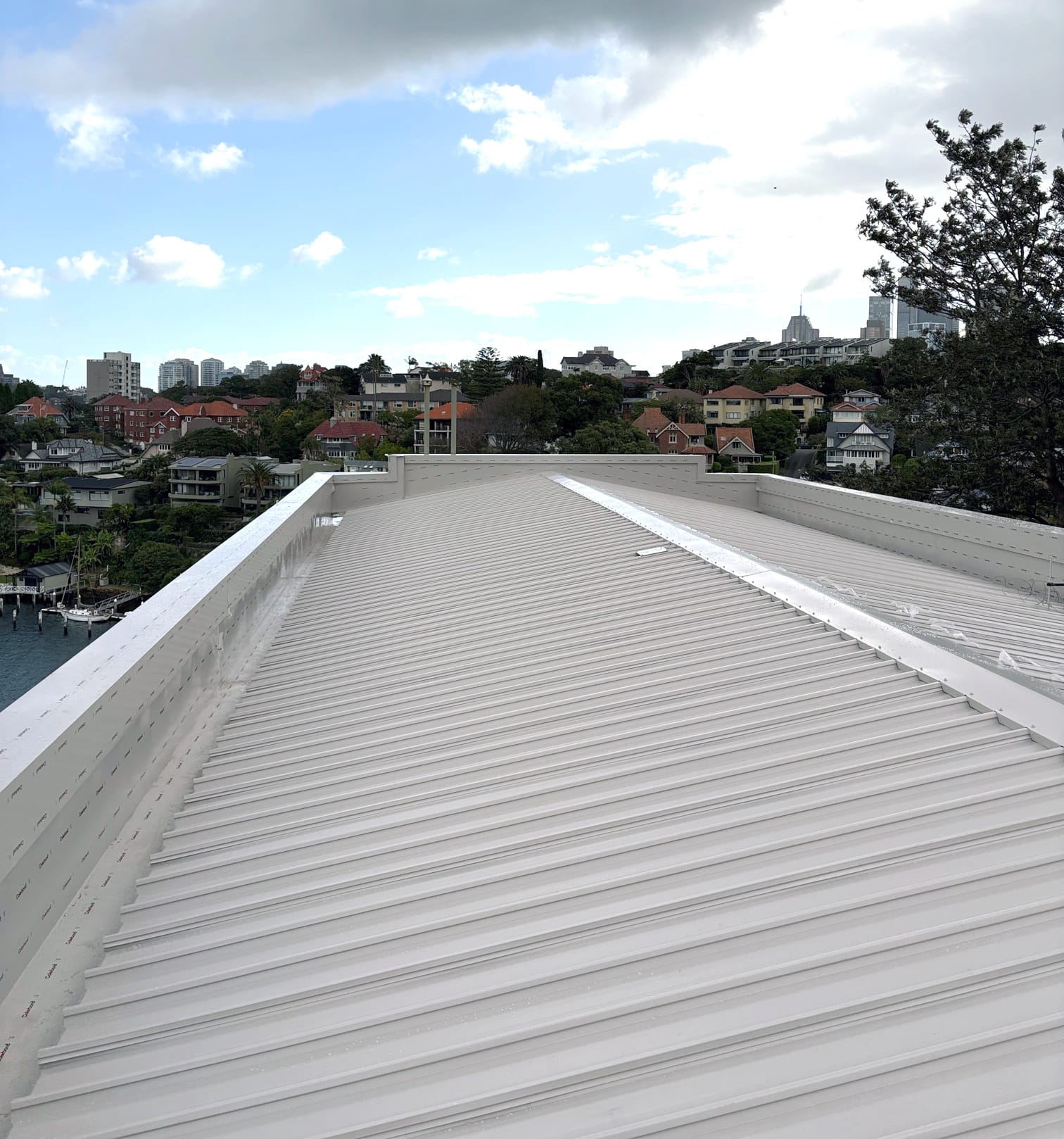
Replacement means removing the existing roof covering entirely and installing new roofing material, whether that’s tiles, metal sheeting, or another system. It’s a bigger job, generally more expensive upfront, and it usually comes with new flashing, new sarking, and sometimes upgraded insulation as part of the process.
How to Tell Which One Actually Makes Sense
Consider restoration when:
- The roof structure itself is sound, and issues are mostly cosmetic or surface level, things like faded tiles, minor cracking, or ageing ridge capping.
- Leaks, if present, are isolated and traceable to specific, fixable points rather than widespread failure across the roof.
- The roofing material still has useful structural life left in it, which is common for well-maintained tile roofs even at thirty or forty years old.
Consider replacement when:
- Multiple tiles are cracked or failing across large sections of the roof, rather than in one or two isolated spots.
- There’s evidence of sagging, structural movement, or widespread timber decay in the roof frame itself.
- The roof has reached or is well past its expected lifespan for its material type, and repeated repairs haven’t resolved recurring issues.
- The home is undergoing broader renovation work where upgrading insulation, ventilation, or roof design makes more sense as part of a larger project.
Why This Decision Shouldn’t Be Rushed
One of the more frustrating things for homeowners is being told a full replacement is needed when a proper restoration would have done the job, sometimes at a fraction of the cost. It happens more than it should, and it’s usually a case of someone reaching for the more expensive option without properly assessing whether the underlying roof structure actually needs it.
The reverse can also be true. A roof with genuine structural issues that gets restoration work instead of replacement might look fine for a season or two, then start showing the same problems again, because a surface-level refresh was never going to fix an underlying structural issue.
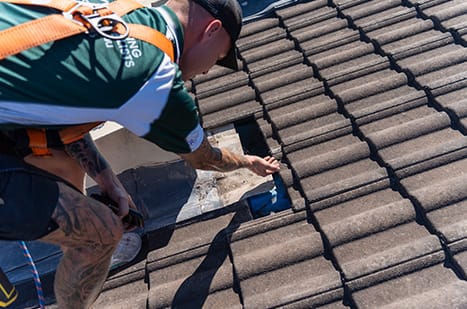
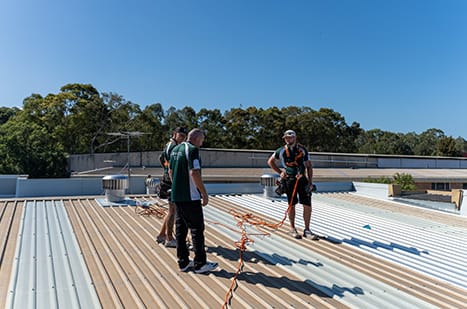
This is why a proper inspection matters more than a quick opinion. Someone assessing the roof needs to actually get up there, check the tiles or roofing material individually, look at the roof frame where accessible, and assess flashing and ridge capping condition, rather than making a call from ground level.
Sydney Specific Considerations
Sydney’s climate does play a role here. Homes closer to the coast deal with more corrosion on metal roofing due to salt exposure, which can shorten the useful life of a metal roof compared to one further inland. Homes in leafy, established suburbs with a lot of tree cover often deal with more debris buildup and gutter issues, which can accelerate wear around roof edges and valleys even if the tiles themselves are in reasonable condition. And older homes across the western suburbs, where summer heat is more intense, can see faster degradation of certain roofing coatings due to prolonged UV exposure.
FAQ
Is roof restoration always cheaper than replacement? Generally yes, though the actual cost depends on the extent of work needed and the current condition of the roof, so it’s worth getting a proper assessment rather than assuming.
How long does a restored roof typically last afterwards? This varies depending on the roof’s condition and the materials used in the restoration, but a well-executed restoration can meaningfully extend a roof’s useful life.
Can a roof look fine from the ground but still need replacement? Yes, this is fairly common, since issues like structural movement or widespread underlying decay often aren’t visible without a proper inspection.
Does restoration fix leaks as well as improving appearance? It can, if the leaks are related to the issues being addressed during restoration, such as cracked tiles or failed ridge capping, though isolated leak causes should still be identified specifically.
How do I know if my roof has reached the end of its useful life? Signs include widespread tile or material failure, structural sagging, recurring leaks in multiple areas, and age well beyond the typical lifespan for the roofing material used.
Should I get more than one opinion before deciding between restoration and replacement? It’s a reasonable approach for a decision of this size, particularly if there’s a significant cost difference between the options being presented.
Ivy Roofing is a Sydney-based roofing company specialising in high-quality roof repairs, restorations, and replacements. We work with homeowners across Sydney to give honest advice on what a roof actually needs. Get in touch with us to find out whether restoration or replacement makes sense for your home.