It’s 7 am on a Wednesday. A tenant calls to say water is dripping through the ceiling above the server room. You drive in, and sure enough, there’s a growing stain, a bucket on the floor, and three people from IT standing around looking worried. Sound familiar?
Emergency roof situations happen, and when they do, how you respond in the first few hours matters, not just for the building, but for your liability, your insurance claim, and ultimately, how much this ends up costing.
This guide walks through what to do when a commercial roof emergency hits a Sydney property you manage, and how to handle it properly from the start.
What Counts as a Roofing Emergency?
Not every leak is an emergency. A small drip from a skylight that only appears during heavy rain is a problem worth addressing promptly, but it’s not the same thing as active water ingress over electrical infrastructure or visible structural damage after a storm.
For Sydney commercial properties, the situations that require immediate action include:
- Active water ingress over electrical panels, server rooms or occupied workspaces.
- Visible structural compromise, such as sagging sections, cracked purlins or collapsed ceiling areas following extreme weather.
- Storm damage that has left roof cladding breached, with the interior exposed to the elements.
- Safety hazards from fallen or displaced roofing materials that put people or vehicles at risk.
- Rapid spread of internal water damage to stock, equipment or tenant fit-outs.
If any of those apply, you’re in emergency territory. The response needs to be fast, documented, and handled by the right contractor.
Your First Hour: What to Do Right Away
Speed matters, but so does doing things in the right order. Here’s how to approach it.
Step 1: Protect Life and Property First
Before anything else, make sure the affected area is safe for occupants. If there’s water near electrical equipment, isolate the circuit right away. Don’t wait for the roofer to arrive before dealing with that. Relocate staff or tenants from areas at immediate risk and set up containment where you can, buckets, plastic sheeting, temporary barriers.
If the damage is from a storm and materials are hanging loose or partially detached above pedestrian areas, cordon off the zone. Falls from height and falling objects are both serious WHS risks, and your duty of care as the property manager applies even while you’re still in reactive mode.
Step 2: Document Everything Before Repairs Start
This is something property managers sometimes skip in the rush to get the roof fixed, and it causes real problems later when an insurance claim is assessed. Take photos and video of everything before any temporary repairs begin. Capture the extent of the water penetration, the source point on the roof (if visible), and the condition of affected materials.
Your insurer will want evidence of the damage as it was found. A roof that’s been patched over before it’s been photographed is harder to claim for. You don’t need to delay the emergency response, but get someone capturing footage while the repair team is setting up.
Step 3: Call a Licensed Commercial Roofing Contractor
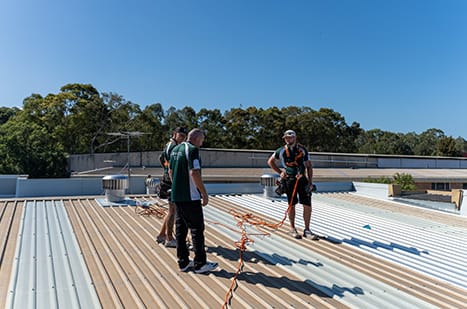
Not every roofer on the tools is equipped to work on commercial properties in an emergency context. The differences matter. Commercial roofing involves WHS compliance requirements around height work, Safe Work Method Statements, and the use of certified fall arrest anchors or edge protection. A contractor who turns up without the right safety setup can actually put you in a worse position legally if something goes wrong on site.
When you call, be specific about what you’re dealing with. Describe the type of roof, the nature and location of the damage, whether there are any safety hazards, and the urgency in terms of internal damage spread. This lets the contractor mobilise properly, rather than arriving without the right equipment. If you need urgent assistance, you can contact Ivy Roofing.
Temporary vs Permanent Repairs: Understanding the Difference
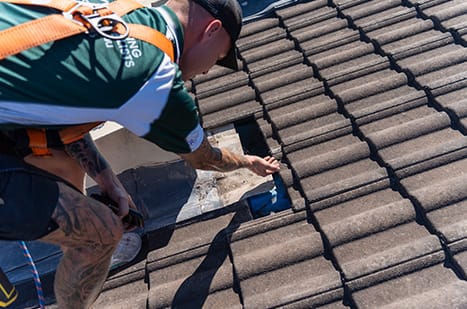
In an emergency, the first job is stopping the water ingress. A temporary repair, such as sealants, tarps or metal patches, is designed to hold until a proper assessment and permanent fix can be completed. It’s not meant to last years, and no reputable contractor will tell you it is.
The risk is when temporary becomes permanent by default. Property managers accept the emergency patch, the immediate urgency passes, and the follow-up job never gets scheduled. Six months later you have a different leak in the same area because the underlying issue was never properly addressed.
After any emergency work, make sure you receive a clear scope of works for the permanent repair, along with recommended timing. This is important for both budgeting and insurance.
For ongoing support beyond emergency work, Ivy Roofing also provides commercial roofing services and planned repair programs.
WHS Requirements for Commercial Roof Work in NSW
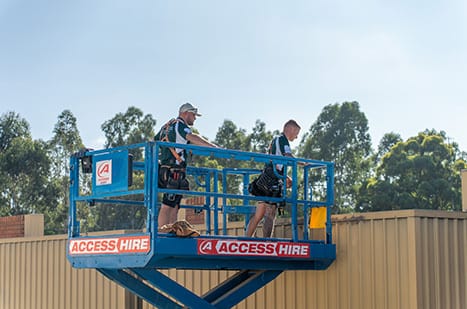
Work Health and Safety obligations don’t pause because you’re in an emergency. If anything, emergency conditions create additional hazards that need to be managed. Wet surfaces, wind, time pressure, these increase risk. Under NSW WHS Regulation 2025, any construction work where a fall risk exceeds two metres requires a Safe Work Method Statement before work commences.
Your contractor should be providing this. If they show up and go straight onto the roof without any safety documentation or equipment, that’s a red flag.
Physical edge protection is the preferred control measure and should be used wherever reasonably practicable. Harness and anchor systems are a secondary control and are only used when edge protection cannot be reasonably implemented. Where anchor systems are used, they must be properly designed, load-tested, certified, and supported by site-specific documentation that is available on site.
As the property manager, you’re also responsible for ensuring the work area is controlled, including:
- managing access points
- setting exclusion zones
- ensuring tenants and staff are not exposed to hazards.
Notifying Your Insurer and Building Owner
These conversations should happen early. Most commercial insurance policies require prompt notification of damage events. Delays can complicate or impact your claim. Notify your insurer or broker once the situation is stabilised, even if you’re still waiting on full repair details.
For the building owner or strata committee, they need to be across what’s happened, what’s been done immediately, the cost estimate for permanent repairs, and any ongoing risk. Clear written communication here protects you as the manager and ensures decisions about spend authorisation are made quickly enough to prevent further damage.
How to Reduce Emergency Roof Situations at Commercial Properties
Obviously the best emergency is the one that never happens. Most commercial roof emergencies aren’t random acts of bad luck. They’re the result of deferred maintenance, missed inspection cycles, or minor issues that were reported but never actioned.
For Sydney commercial properties, the most common precursors to emergency situations include:
- Blocked or deteriorated gutters and downpipes that fail to manage heavy rainfall, causing water to back up and penetrate roof junctions.
- Degraded flashings around penetrations, particularly HVAC mounts, skylights, and pipe penetrations where sealant has failed.
- Storm-damaged or aged polycarbonate skylights that shatter or delaminate under hail or severe UV exposure.
- Corrosion on metal roof sheeting, especially in coastal areas where salt-laden air accelerates surface breakdown.
- Ponding water areas where drainage has failed and constant moisture is breaking down the membrane from underneath.
A regular inspection and maintenance program can prevent most of these issues. Ivy Roofing offers roof maintenance and repairs and tailored service plans to help reduce the risk of emergency callouts.
You can also explore their full range of roofing services or coverage areas via roof repair locations.
Frequently Asked Questions
How quickly should a commercial roof emergency be responded to?
Same day, ideally within a few hours. Active water ingress over electrical infrastructure, workspaces or stock areas can escalate quickly, especially during ongoing rainfall. The priority is limiting internal damage while ensuring the site is safe for anyone working in or around the affected area.
Does my commercial building insurance cover emergency roof repairs?
It depends on the policy and the circumstances. Most commercial policies cover sudden and accidental damage from events like storms. However, they typically exclude damage caused by lack of maintenance. This is why documented inspection and maintenance records matter, they demonstrate that the failure wasn’t the result of negligence.
Can a temporary roof repair hold long-term?
Short answer: no, it shouldn’t be expected to. Temporary repairs are designed to stop active ingress and protect the property while a proper assessment and permanent fix is arranged. Using them as long-term solutions often leads to the same area failing again, sometimes worse than before.
Do I need to notify SafeWork NSW if there’s a roof collapse or major damage?
If the incident involved or could have involved serious injury, yes. Under WHS legislation, ‘notifiable incidents’ including incidents that exposed someone to a serious risk of injury must be reported to SafeWork NSW. Even if no-one was hurt, it’s worth getting advice from your WHS advisor or legal counsel if the damage was structural.
What should I document during a commercial roof emergency?
As much as possible, as early as possible. Photos and video of the damage before any repairs begin, the time and nature of the event, who was notified and when, steps taken to protect occupants and property, the contractor’s attendance and scope of temporary repairs, and all written quotes and reports that follow.
Can tenants claim against me as property manager if a roof emergency causes damage to their fit-out?
Potentially, yes, particularly if it can be shown that the roof was in a known state of disrepair and maintenance obligations weren’t met. Proper inspection records, prompt action when issues were identified, and appropriate insurance coverage are your main protections here.
Ivy Roofing is a Sydney-based commercial roofing specialist. We respond to emergency roof situations across Sydney’s commercial and strata properties. If you’re dealing with a roof emergency or want to set up a maintenance program that helps prevent them, call us on 02 9674 4556 or visit ivyroofing.com.au to get in touch.