Your strata building’s roof is more than just a shelter; it is a critical asset that protects the value of the entire property. Yet too many Sydney strata committees operate on a reactive basis, only addressing roof problems after they become impossible to ignore.
The difference between reactive maintenance (fixing problems as they happen) and planned preventative roof maintenance can mean the difference between predictable budgets and unexpected special levies. In Sydney’s challenging climate, where coastal storms bring heavy rain and summer sun accelerates material degradation, waiting for roof problems to appear is a costly gamble.
This article shows why reactive roof maintenance costs more in the long run and how planned programs protect your assets. Whether you’re a strata manager or a committee member, understanding this distinction can save your scheme significant money and stress.
What Is Reactive vs Planned Roof Maintenance?
Before looking at the costs, it is essential to understand what these two approaches involve.
Reactive Roof Maintenance
Reactive maintenance is the “fix it when it breaks” approach. Under this model, roof work only happens when problems become obvious. Typical triggers include active leaks dripping into units, visible damage after storms or owner complaints about water stains.
Many strata committees default to reactive maintenance due to budget constraints or a simple lack of awareness about the long term consequences. The approach can feel cost-effective in the short term because you only spend money when necessary. However, this creates a dangerous cycle. Small issues like minor flashing deterioration or blocked drains go unnoticed until they cause significant damage. By the time water starts leaking, the roof defect has likely been worsening for months or even years.
Planned Preventive Roof Maintenance
Planned maintenance takes a proactive approach based on scheduled inspections and systematic upkeep. Strata buildings with planned maintenance programs conduct regular professional roof inspections, perform routine cleaning of gutters and drains and address minor issues before they escalate. This approach also involves maintaining detailed reports and budgeting for both routine maintenance and eventual replacement.
This method extends the life of your roof by catching problems early, reduces unexpected costs through predictable budgeting and improves safety. Planned maintenance operates on the principle that prevention is always better than a cure. A small repair today can prevent a much larger and more expensive water damage project next year.
Hidden Costs of Reactive Maintenance for Strata Buildings
The true cost of reactive maintenance extends far beyond the immediate repair bills. When strata committees wait for failures before acting, they expose their scheme to multiple financial and operational risks.
Escalating Repair Bills
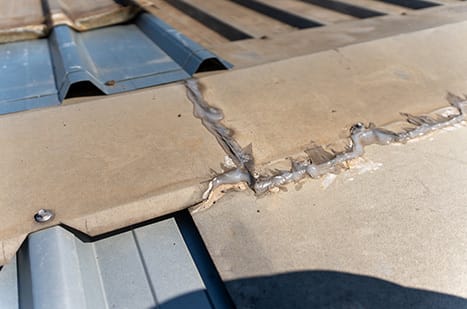
Small roof defects can multiply quickly. A minor crack in a roof allows water penetration that compromises insulation and promotes mould growth in ceiling cavities. What could have been a simple repair can become a major project involving structural drying, mould remediation and ceiling replacement.
Sydney strata buildings constructed from the 1970s through to the 1990s are particularly vulnerable. Many schemes are discovering that decades of reactive maintenance have allowed cumulative damage that now requires a complete roof replacement. These unexpected major works often require special levies because the capital works fund has not been adequately prepared. This can create significant financial hardship for owners.
Insurance Consequences
Insurers are increasingly looking at maintenance practices when assessing claims. A strata scheme that cannot demonstrate regular professional inspections and proactive maintenance may face claim rejection or reduced payouts.
In many cases, claims are now being denied where roofs do not meet current roofing code or Australian Standards requirements, regardless of the roof’s age. This shift means that even long-standing defects or legacy construction issues may no longer be covered.
Insurance policies also commonly exclude damage resulting from poor maintenance or gradual deterioration. When this is combined with non-compliant roofing or a lack of documented upkeep, schemes are left particularly exposed.
This creates a dangerous situation for schemes using reactive maintenance. The very emergency roof failures that this approach causes are the ones most likely to be disputed or denied by insurers.
Disruption and Reputation Damage
Emergency roof repairs create significant disruption for residents. Urgent leak responses can involve contractors working at inconvenient times, noisy equipment and restricted access to common areas.
Water damage from reactive failures also affects property values and resident satisfaction. Units with visible water stains or ongoing leak issues become difficult to sell or rent. Prospective buyers reviewing strata documents may see a history of emergency repairs as a red flag. This operational stress damages professional relationships and increases management complexity for strata managers.
How Planned Maintenance Saves Money and Protects Assets
Planned preventative maintenance transforms roof management from crisis response to strategic asset protection. The benefits are financial, operational and compliance-related.
Scheduled Inspections Catch Problems Early
Professional roof inspections conducted at least once a year provide a systematic assessment of all critical components. Qualified inspectors examine roof membranes, flashings, drainage systems, skylights and fasteners.
These inspections identify minor issues when repairs are simple and affordable. Detailed inspection reports provide photographic documentation and recommended actions, allowing strata committees to budget systematically rather than react to emergencies. For example, replacing corroded roof fasteners found during an inspection is much cheaper than waiting for fastener failure to cause widespread water penetration.
Documentation for Insurance
Professional maintenance documentation creates an evidence trail that satisfies insurance requirements. Comprehensive records should include inspection reports, a log of all repair work and contractor qualifications.
This documentation is critical when insurance claims arise. Adjusters reviewing storm damage claims look for evidence of proactive maintenance. Schemes with documented inspection programs demonstrating reasonable care often receive faster claim acceptance.
Long Term Budget Certainty
One of planned maintenance’s greatest benefits is budget predictability. Instead of sudden special levies for emergency repairs, planned maintenance allows for systematic funding through the capital works fund. This approach means money is set aside specifically for roof-related works, allowing the scheme to undertake major restoration or replacement without needing disruptive special levies.
Budget certainty improves property marketability. Prospective buyers reviewing strata schemes with well-funded capital works plans and documented maintenance programs recognise the financial stability and reduced risk.
Ivy Roofing Services for Strata and Property Managers
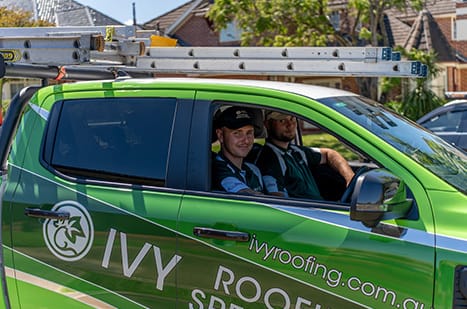
Managing roof maintenance across Sydney’s diverse strata building stock requires specialist expertise and systematic service. Ivy Roofing provides comprehensive roofing solutions designed for strata and property managers who recognise the value of planned maintenance.
Professional Roof Inspections and Reports
We conduct thorough roof inspections that examine all critical systems. Our detailed reports document the current condition with photos, identify maintenance priorities and provide cost estimates for recommended work. These reports are designed for strata committee use, explaining technical findings in clear language.
Planned Maintenance Programs
Ivy Roofing’s planned maintenance programs provide predictable, systematic roof care. Programs include scheduled inspection visits, routine cleaning of gutters and drainage systems and proactive repair of minor issues. These programs are customised to your building’s needs and our fixed pricing allows for accurate budget forecasting.
Leak Repairs, Roof Restorations and Waterproofing
When an inspection identifies necessary repairs, our team provides swift, professional service. Emergency leak response minimises interior damage, while systematic restoration extends roof life and defers expensive replacement. Our advantage in a planned maintenance relationship is familiarity; we already know the building and can mobilise quickly when problems arise.
Final Thoughts
The choice between reactive and planned roof maintenance is a choice between short-term thinking and long-term value. Reactive maintenance may feel cheaper initially but inevitably costs more through escalating repair bills, insurance complications and operational disruption.
For strata managers and committee members, the message is clear: proactive roof maintenance is a fundamental responsibility. It protects property values and avoids the costly disruptions that reactive approaches create. Your building’s roof is too important to manage reactively.
From North Shore Sydney to the Inner West, if you want a comprehensive roof inspection and a customised planned maintenance program, contact Ivy Roofing today. Protect your strata assets and gain the peace of mind that comes from systematic, professional roof care. Don’t wait for the next major leak to force expensive repairs. Take control of your roof maintenance strategy now.