A leaking roof on a commercial building is already a disruption. But for a lot of business owners and managers in Sydney, the repair itself feels like an even bigger one. Roofing crews, scaffolding, access restrictions, noise during business hours, and the concern about debris or dust affecting operations below. It’s enough that some businesses put off necessary repairs far longer than they should.
The good news is that with the right planning and the right roofing contractor, commercial roof repairs don’t have to be the operational nightmare people expect. This article goes through the specific things that make a difference.
Why Good Planning Makes the Biggest Difference
The biggest cause of commercial roof repair disruption isn’t the work itself; it’s poor communication and inadequate planning before the work starts. When a roofing contractor shows up on a Monday morning and a business wasn’t briefed on access requirements, noise expectations, or the fact that part of the car park is being used for material staging, it creates friction and complaints that wouldn’t have happened with a proper site briefing.
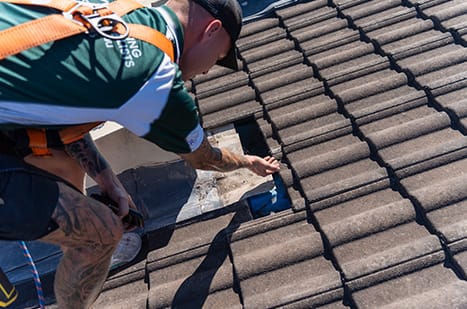
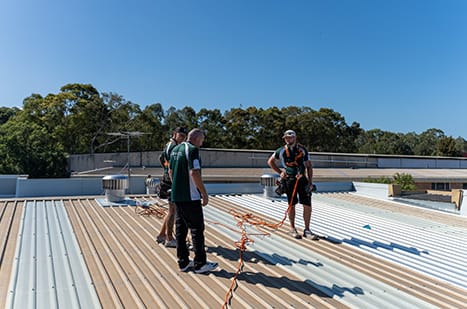
A good commercial roofing contractor will do a pre-work site visit to understand the building layout and business operations before scheduling starts. They’ll identify where materials and equipment need to be staged so it doesn’t conflict with customer parking, deliveries, or staff entry. They’ll also map out which sections of the roof are being worked on each day so operations teams know in advance what to expect.
For Sydney businesses, particularly retail, healthcare, or any operation where customers are on-site, this pre-work planning is essential. We’ve run commercial roof repair projects on everything from Hills District office parks to Parramatta retail centres to industrial buildings in Blacktown, and the jobs that run smoothly are always the ones where the planning happened properly upfront.
Scheduling Repairs Around Business Operations
Most commercial roof repairs in Sydney can be structured around business hours if the contractor is willing to work with you on scheduling. That might mean early starts before tenants arrive, evening work for certain phases, or concentrating the noisier parts of the job on weekends.
The other scheduling consideration is weather. Sydney’s commercial roofing season is effectively year-round, but certain types of work have tighter weather windows. Membrane installation and coating applications need dry conditions and appropriate temperatures. Metal sheet replacement and flashing work can be scheduled around weather forecasts more flexibly. A contractor who’s paying attention to the weather forecast and planning accordingly will cause far less disruption than one who shows up regardless and then can’t complete the work.
For larger commercial projects, sectional works scheduling, completing one part of the roof before moving to the next, is usually better for the business than a whole-roof mobilisation. It means the disruption footprint is smaller at any given time, and the business can operate normally in the unaffected sections.
Protecting the Interior During Roof Repairs
One of the legitimate concerns for commercial operators is protecting the space below during roof repairs. This is particularly relevant for businesses with sensitive inventory, equipment, or environments, manufacturers, food businesses, medical practices, and the like.
The key things to confirm with your roofing contractor before work starts are these.
- Interior protection is planned for any section where the deck is being opened up. This means internal sheeting, covering sensitive equipment, and managing dust.
- The contractor has a process for managing water ingress risk if work is interrupted by weather. Partial works left open overnight without appropriate temporary waterproofing is how avoidable interior damage happens.
- Any removal of existing roofing materials is handled with containment in mind, particularly for older commercial buildings where debris falling into ceiling spaces is a real possibility.
For occupied commercial buildings, a written scope of works that details how the interior is being protected should be a standard part of the agreement. If your contractor doesn’t proactively mention this, ask for it specifically.
Communication During the Project
This sounds basic, but it’s where a lot of commercial roofing jobs fall down. Tenants and building operators need to know what’s happening each day, particularly if noise levels are going to be high, if access to certain areas is restricted, or if the schedule changes.
For strata buildings and multi-tenancy commercial properties, a simple daily update to the building manager and then forwarded to tenants makes a significant difference to how the project is received. It doesn’t need to be elaborate. What’s being done today, what access will be restricted, and what time will work finish? That’s it.
Ivy Roofing works with commercial clients across Sydney, including strata managers, business owners, and commercial property managers. We understand that a roof repair on an operating business isn’t the same as a residential job, and we run our commercial projects accordingly, with proper pre-work planning, site briefings, and regular communication throughout.
Frequently Asked Questions
How long do commercial roof repairs typically take in Sydney?
It varies significantly depending on the scope. Minor repairs and flashing work can be completed in a day or two. Larger works like full membrane replacement or significant metal roofing repairs on a commercial building can run from a few days to several weeks, particularly if the work is being staged around business operations.
Can commercial roof repairs be done without closing the business?
In most cases, yes. With proper planning and scheduling, commercial roof repairs can be structured so that business operations continue normally or with minimal disruption. The key is working with a contractor who plans the access and staging properly and communicates the schedule clearly.
Do I need to notify tenants before commercial roof repairs?
Yes, and as far in advance as practical. Tenants have a reasonable expectation of being notified of works that will create noise, restrict access, or affect their operations. Early notification gives them time to adjust their own scheduling and reduces complaints during the job.
What should I do to prepare the building for roof repair work?
Confirm staging areas for materials and equipment, brief tenants and staff on the schedule and any access restrictions, move any sensitive equipment or inventory away from areas directly below where the work is happening, and ensure the contractor has been given access to all necessary roof areas before the workday.
How do I protect sensitive business operations during roof works?
Work with your roofing contractor to document the interior protection plan before work starts. This should cover internal sheeting, equipment protection, dust management, and the procedure for temporary waterproofing if work is interrupted. For food businesses, medical facilities, or operations with compliance requirements, this is particularly important.
What’s the best time of year for commercial roof repairs in Sydney?
Late summer through autumn, February through May, generally offers the best combination of dry weather and available scheduling for Sydney commercial buildings. Pre-winter is also sensible for identifying and fixing issues before the sustained wet season. Repairs can be done year-round, but avoiding the peak of summer heat and the depths of winter wet gives the best working conditions.
Ivy Roofing is a Sydney-based roofing specialist. We work with homeowners, property managers, and strata across Sydney to keep roofs in top condition. Get in touch with us to see how we can help you.
Please note that any costs mentioned within this article are fictional, and a proper quote specific to your situation is required.