Sydney’s climate operates on a predictable rhythm, and right now we are approaching the season when our roofs face their toughest test. With heavy rain events increasingly common across our city, from sudden summer downpours to prolonged winter deluges, homeowners need roofs ready to handle whatever nature delivers.
Your roof stands as your home’s first and most critical line of defence against water damage. Yet insufficient preparation leads to leaks, interior damage and mould growth. This practical guide provides an actionable checklist to assess your roof’s readiness for Sydney’s upcoming heavy rain season, plus expert guidance on when professional support becomes essential.
Why Roof Preparation Matters
Sydney receives significant rainfall annually, but this does not arrive in gentle, evenly distributed showers. Our rain often comes in intense bursts that overwhelm unprepared roofing systems. Recent climate patterns show rainfall becoming increasingly unpredictable and intense.
East coast lows can dump massive amounts of rain over a few days, saturating roof valleys and overwhelming drainage systems. When combined with wind-driven rain and the debris accumulation common around Sydney homes, even small existing roof defects become major water entry points.
Timely roof maintenance dramatically reduces the risk of water ingress. Not all roof vulnerabilities are obvious to untrained eyes, which is precisely why being proactive is vital.
Homeowner’s Roof Readiness Checklist
This detailed checklist walks you through the essential inspection points every Sydney homeowner should assess before heavy rains arrive. Conduct these checks safely from ground level using binoculars for elevated inspection and never attempt to walk on your roof yourself.
External Roof Surface Inspection
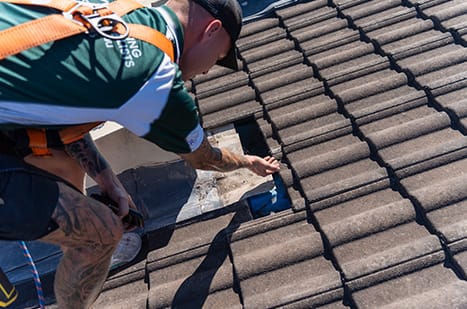
Start with a complete perimeter walk around your property, examining your roof from all angles. Look for cracked, chipped, lifted or completely missing tiles. Even tiles that appear intact may have shifted slightly from their proper position, creating gaps that allow water penetration during heavy downpours.
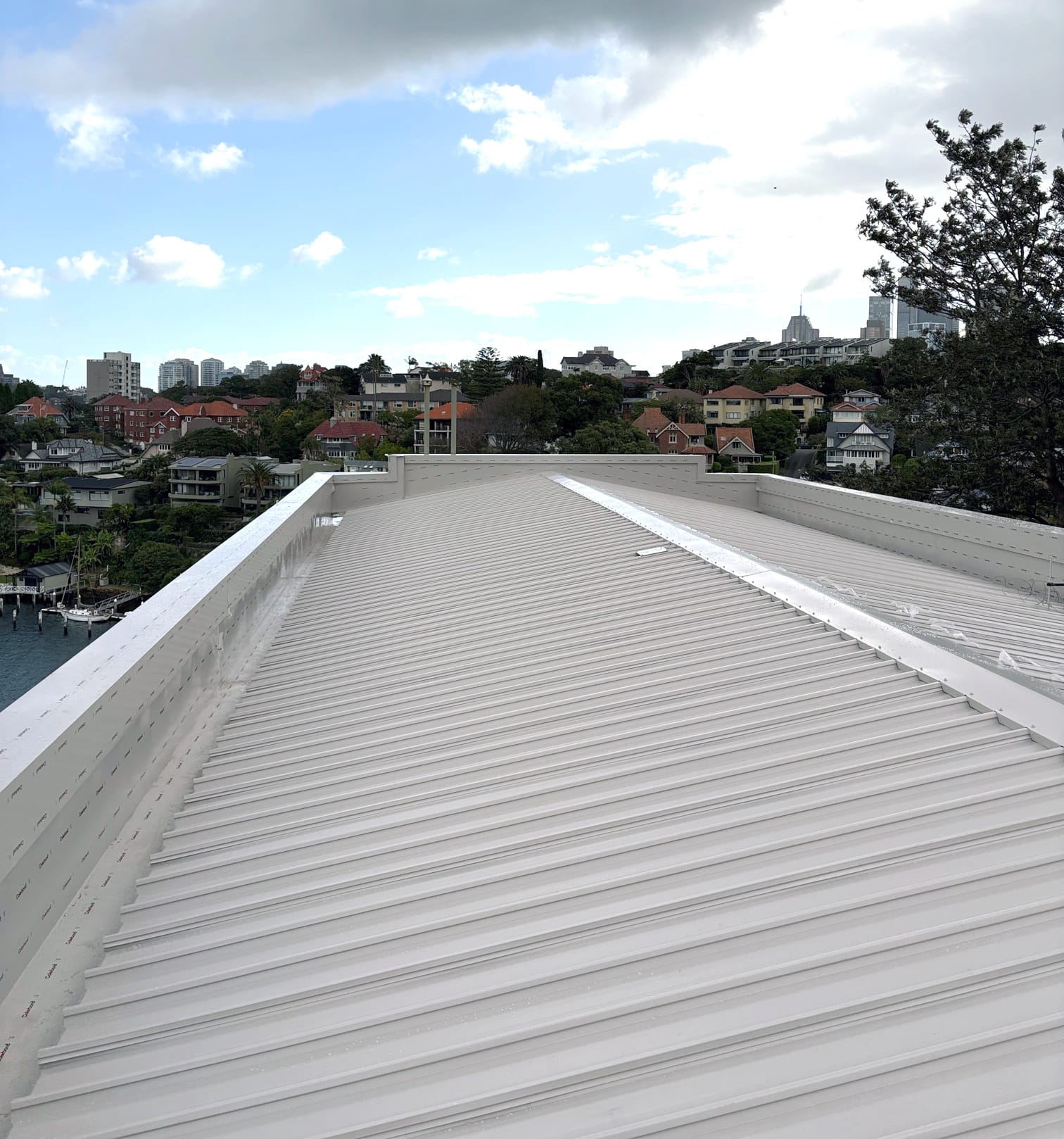
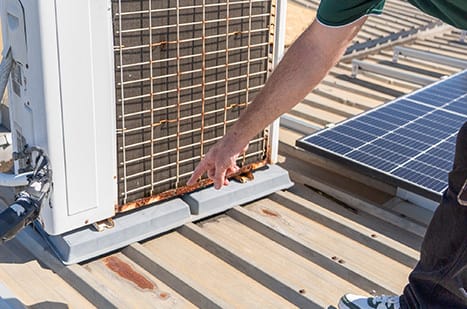
Metal roofing requires inspection for dents from hail or fallen branches, rust patches indicating failed protective coatings and loose sheets that flap during windy conditions. Pay particular attention to ridge areas and valleys where different roof planes meet. These junctions experience the highest water flow and represent common failure points.
Why it matters: A single missing tile allows water to penetrate beneath your roof surface, saturating insulation and timber framing. What starts as a minor issue can become a major remediation project once water damage spreads through ceiling cavities.
Roof Flashings and Seals Assessment
Flashings create weathertight seals around roof penetrations, including chimneys, vent pipes, skylights and exhaust fans. Examine these areas for degraded sealant that has shrunk, cracked or pulled away from surfaces. Metal flashings should sit flat and secure.
The pointing compound used around chimney bases and other masonry penetrations becomes brittle over time. Look for cracks or sections that have fallen away. Flexible sealants around pipe penetrations deteriorate under Sydney’s intense UV exposure.
Why it matters: Failing flashings represent a leading cause of roof leaks during heavy rain events. Water that bypasses flashings often travels considerable distances through roof cavities before appearing as interior damage.
Gutters, Downpipes and Drainage Systems
Clear all gutters of accumulated leaves, branches and debris. Sydney’s eucalyptus trees shed substantial material that clogs drainage systems. If safe to do so from a ladder, test water flow to ensure gutters drain completely toward downpipes rather than ponding.
Inspect for sagging gutter sections that indicate failed mounting brackets. Check that downpipes discharge well away from building foundations and remain clear of debris. Metal gutters should be examined for rust patches, particularly at joints.
Why it matters: Blocked gutters force water to back up under roof edges, defeating your roof’s primary waterproofing layer. Overflowing gutters can cause fascia board rot and ceiling water damage during a single heavy downpour.
Roof Penetrations and Skylight Condition
Skylights require close attention. Examine skylight panels for cracks or discolouration that indicates UV degradation. The frames and mounting systems should show no gaps, lifted flashings or failed sealants.
All roof penetrations, including whirlybirds, TV antennas and plumbing vents need inspection. Look for movement in mounting bases or corroded fixings.
Why it matters: Skylight leaks often go unnoticed until water staining appears on ceilings below. By that time, insulation has been saturated and the timber framing may have begun rotting.
Attic and Ceiling Internal Inspection
From inside your home, examine upper floor ceilings for water stains, typically appearing as yellowish-brown rings or patches. These stains indicate existing or previous roof leaks requiring investigation.
If you have safe access to your roof cavity, inspect for damp or discoloured insulation, mould growth on timber framing or light penetrating through the roof surface. A musty smell in roof spaces signals moisture problems even when visual evidence is not immediately apparent.
Safety warning: Only access roof cavities if you have safe ladder access and proper lighting. Roof spaces contain trip hazards and stepping between ceiling joists can be dangerous.
Why it matters: Wet insulation loses much of its thermal resistance, increasing cooling costs during Sydney summers. Mould in roof cavities poses health risks.
Roof Safety and Professional Assessment
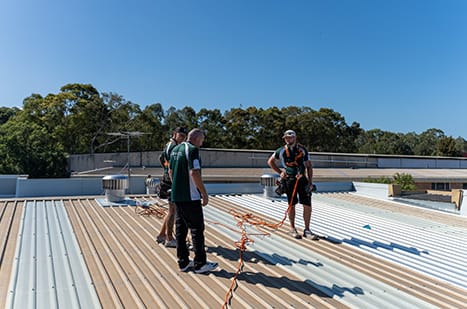
Never walk on your roof to conduct detailed inspections yourself. Working at height without proper training and safety equipment causes serious injuries every year. Wet tiles become extremely slippery and untrained roof walking damages tiles and waterproofing membranes.
Professional roofing contractors carry the necessary insurance coverage, use appropriate safety equipment and know where to walk on different roof types without causing damage.
Why it matters: Falls from roofs are a significant cause of injury across Australia. DIY roof access risks your safety and potentially your insurance coverage.
What to Do Next: When and Why to Call a Professional
While homeowner observations provide valuable baseline information, professional roof inspections identify hidden problems that casual ground level surveys miss. Consider calling qualified roofing contractors like Ivy Roofing in these common scenarios:
- Visible Damage: When you observe visible roof damage including missing or broken tiles or lifted metal sheets.
- Internal Dampness: Signs of internal dampness such as ceiling stains, musty odours or visible mould growth require immediate professional investigation.
- Blocked Drainage: Blocked or rusted drainage systems that you cannot safely clear yourself need professional attention.
- Suspected Storm Damage: If you suspect storm damage following severe weather, a professional inspection provides the detailed documentation insurance companies require.
Professional roof inspections typically include comprehensive external roof examination, internal roof cavity assessment where accessible, detailed photographic documentation and written reports with prioritised recommendations.
Why Homeowners Should Use Ivy Roofing
Ivy Roofing brings professional standards, local knowledge and quality workmanship to residential roof projects across Sydney.
Sydney Local Roofing Experts
With over 20 years serving Sydney properties, Ivy Roofing understands our unique weather patterns and specific roofing challenges. The team recognises how coastal salt exposure accelerates corrosion in the Eastern Suburbs, how intense rainfall overwhelms inadequate drainage and how eucalyptus debris affects properties near bushland in the Hills District.
This local knowledge translates to better preparation advice and more accurate assessments for homes from the Inner West to Western Sydney.
Qualified and Insured Tradespeople
All Ivy Roofing professionals hold appropriate licensing and comprehensive insurance coverage. The team uses industry standard materials and follows manufacturer specifications for all work. Safety procedures meet strict requirements, protecting homeowners from liability exposure.
Comprehensive Roof Preparation Services
Professional inspection services provide a detailed assessment of roof readiness for the heavy rain season. Storm preparation checklists tailored to your specific roof type guide immediate action priorities. Repair and maintenance programs address vulnerabilities before weather tests them.
Clear Reporting and Easy Documentation
Inspection reports explain findings in plain language accessible to homeowners. Photographic documentation shows exactly what inspectors observed. Recommendations are ranked by priority, allowing informed decisions about repair timing.
Responsive Pre-Season Service
Booking roof preparation services before the heavy rain season means work happens on your schedule rather than during emergency conditions when contractors are overwhelmed. Timely service ensures repairs are completed before the weather tests them.
Insurance Support Assistance
When storm damage does occur despite preparation, Ivy Roofing helps navigate insurance claims. The team understands what documentation insurers require and provides professional reports to facilitate successful claims processing.
Book a Pre-Rain Season Roof Inspection
Preparing your roof for Sydney’s heavy rain season prevents leaks, protects against water damage and avoids the stress of emergency repairs. With recent rainfall events demonstrating just how intense Sydney storms can become, proactive preparation has never been more important.
Use this homeowner’s checklist to conduct a safe ground-level assessment of your roof’s condition. Address obvious problems promptly and recognise when professional inspection provides the detailed evaluation necessary to identify hidden vulnerabilities.
Early action beats emergency fixes every time. Contact Ivy Roofing today for a comprehensive storm-ready roof inspection, expert preparation advice or to schedule roof repairs before the next heavy downpour. Protect your most valuable asset with Sydney’s trusted roofing specialists.
Please note that any costs mentioned within this article are fictional, and a proper quote specific to your situation is required.